If you have lived in Southern Utah as long as I have—since 2011—you know that there is a distinct difference between "warm" and what we experience here during the peak of July and August. When the thermometer hits 105°F, your air conditioning unit stops being a luxury and immediately becomes a life-safety device. In my years as a real estate agent, I have seen too many buyers move into their dream home in St. George, only to find themselves sitting in a 90-degree living room three weeks later because they didn't treat their HVAC system with the respect this desert climate demands.
Welcome to the Best Utah Real Estate home maintenance blog. Today, we are talking about the reality of St George summers 105 and how to keep your home from becoming an oven.
The Desert Tax: Why Your AC Hates It Here
I am a total nerd when it comes to home maintenance. I keep a physical ledger of tradespeople, and I’ve learned one inescapable truth: https://dlf-ne.org/homebuyer-tip-can-an-ac-inspection-change-negotiations-before-closing/ our desert environment is uniquely cruel to HVAC equipment. It isn’t just the heat; it’s the combination of extreme UV rays, wind-blown red dust, and the aggressive expansion and contraction cycles of our metal components.
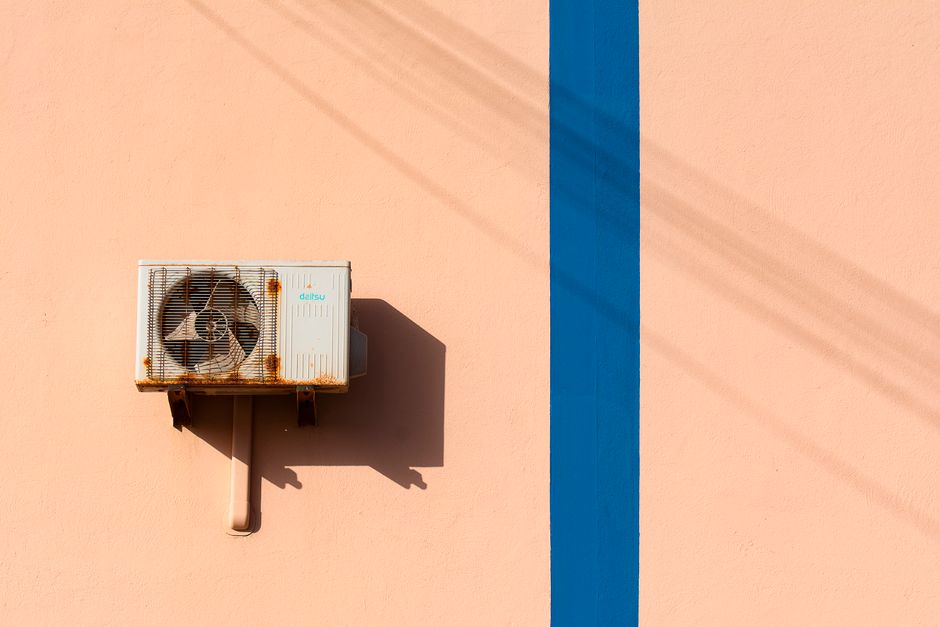
When we talk about home maintenance HVAC in this region, we aren't just talking about changing a filter. We are talking about preventing "desert wear-and-tear." That red dust acts like a grinding paste on fan blades and clogs coils, forcing the motor to work twice as hard to move air. If your system is fighting to overcome heat-soaked insulation while struggling with debris-choked coils, it is only a matter of time before the compressor gives up—usually on a Sunday afternoon when the temperature is peaking.
Pre-Purchase Inspections: Don't Skip This Step
If you are in the market to buy a home in St. George, please listen to me: Never, and I mean *never*, waive the HVAC inspection. I have walked through hundreds of homes, and I have seen sellers try to hide a failing unit behind a fresh coat of paint or a temporary coolant recharge that will fail the moment how to fix frozen ac unit the real heat sets in.
A standard home inspection is fine for the basics, but in Southern Utah, you need a specialized HVAC tech to put eyes on the system. You need to know:
- What is the current temperature differential (Delta T) across the coils? How much remaining life is in that capacitor? Is the ductwork properly sealed, or are you paying to cool your attic?
The Contractor Vetting Process: My Rules
Over the last decade, I have developed a very specific list of "Green Flags" and "Red Flags" for contractors. I have no patience for vague pricing or companies that dodge the question when I ask, "What is your actual emergency response window on a Sunday in July?"
Family-Owned vs. Large Chains
In St. George, there is a clear distinction between the big-box national chains and local family-owned operations. I tend to favor the family-owned businesses. Why? Because when you call them, you are often talking to someone who lives in the same heat as you do, and they know that their reputation in this town is everything. Large chains often have high turnover and rigid, bureaucratic dispatch systems that don't always align with the "survival mode" nature of a 105-degree day.
Recommended Trades for Southern Utah
I keep a running shortlist of companies that I trust. These groups understand the urgency of AC essential Southern Utah living:
- Element Plumbing, Heating & Air: I’ve always appreciated their transparent approach to diagnostics. They don’t try to oversell; they just fix the problem. Dash Heating, Air, Plumbing & Electric: They have a robust team, and I’ve found their communication during peak summer months to be much more reliable than their competitors. Davis Air Tec: A fantastic option for those looking for that "family-owned" touch where the technician actually explains the "why" behind the repair.
Comparison: Who Do You Call When the Unit Fails?
Criteria Family-Owned Shop National Chain/Franchise After-Hours Policy Usually clear, direct communication. Often routed to a national call center. Emergency Response Prioritizes existing/loyal clients. Subject to corporate dispatch rules. Pricing Typically itemized and transparent. Often prone to "mystery fees" or vague estimates.My Biggest Pet Peeves
If you are a homeowner reading this, here is what drives me crazy. I hate when contractors dodge the question about emergency windows. When your AC dies and the indoor temp is climbing toward 95 degrees, a contractor telling you "we'll get there when we get there" is not an acceptable answer. I always ask, "If I call at 6:00 PM on a Friday, who actually picks up the phone?" If they stutter, I save their number under "Do Not Call."
I also loathe overpromising timelines. Look, I know it's hot. I know you're stressed. If a company tells you they can have a brand-new system installed by tomorrow in the middle of a heatwave, be skeptical. Quality installation takes time, and rushing the job in 105-degree heat is how you end up with bad electrical connections and leaky refrigerant lines.
Final Thoughts for St. George Homeowners
Taking care of your AC isn't just about comfort; it's about protecting your biggest financial investment—your home. If you aren't changing your filters, having your coils cleaned, and checking your capacitor annually, you are playing a losing game of Russian Roulette with the Southern Utah sun.

Keep your home cool, keep your maintenance records organized, and always, *always* have a trusted, vetted HVAC pro on speed dial before the first heatwave of the season hits.
For more tips on maintaining your St. George property, visit the Best Utah Real Estate Home Maintenance Category. Stay cool out there!
Share this article:
Twitter | Facebook | LinkedIn