I’ve spent eleven years in this industry, and if there’s one thing I’ve learned, it’s that sellers are still obsessed with the wrong metrics. They want to talk about price per square foot and "upgraded finishes" that look like they were pulled from a generic big-box store catalog. Meanwhile, the buyer of 2026 is sitting on their couch, scrolling through Instagram, and making a decision about your home in roughly four seconds.
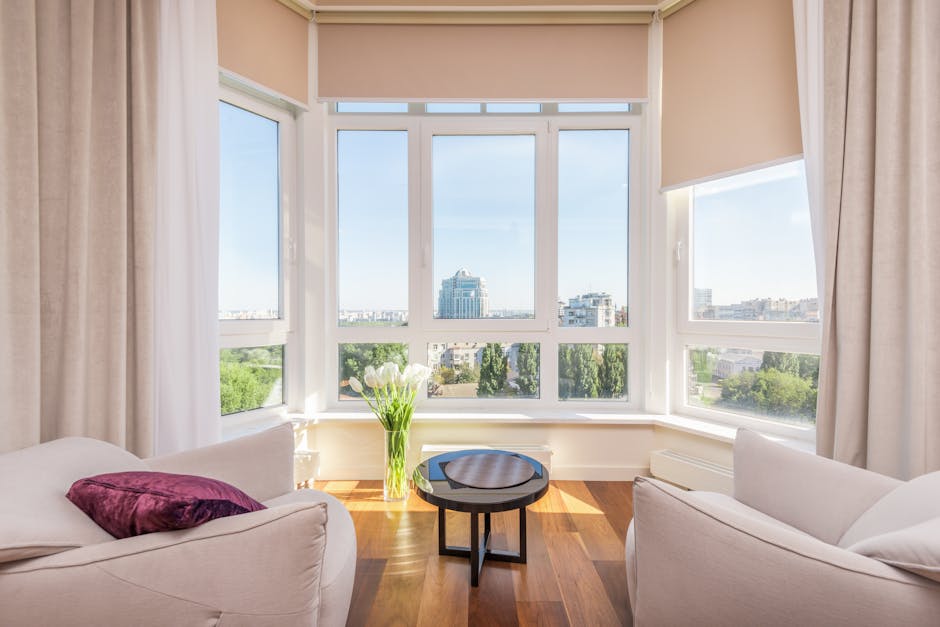
In 2026, the market has shifted. We have moved past the era where size was the ultimate king. Today, it’s all about the "workability" of a space. When I walk into a listing, the first thing I do isn’t check the square footage—I check the lighting and I ask, "Where would the laptop go?" If you can’t answer that, you’re already losing.
If you want to sell in this environment, you need to understand that buyers compare listings fast. They aren't reading your four-paragraph "flowery" description about how the sun hits the kitchen at 8:00 AM. They are looking for visual proof that their specific, hybrid-work lifestyle will function in your four walls.

The Death of the Square Footage Argument
Stop talking about square footage. Seriously. A 2,000-square-foot home with a chopped-up layout and zero natural light feels smaller and less valuable to a 2026 buyer than a 1,200-square-foot loft with 14-foot ceilings and expansive windows.
Modern buyers are hyper-focused on utility. We are living in a post-pandemic world where the home is a fortress, an office, a gym, and a sanctuary. If your floor plan doesn't accommodate a hybrid work setup, or if your "extra room" is just a dark hallway disguised as a den, they will scroll right past you.
The "Where’s the Laptop?" Audit
When I consult with sellers, I force them to walk through every room with one question in mind: Where does the laptop go?
- The Living Room: Does it have enough power outlets to support a docking station without a rats-nest of cables? The Bedroom: Can you reasonably place a small desk without it feeling like you're sleeping inside an office cubicle? The Kitchen: Is the island actually functional for a midday Zoom call, or is it just a clutter trap for mail and keys?
If you cannot clearly show a buyer how they will work in your space, you have failed to differentiate your listing. Buyers want "lifestyle flexibility." They want to know they can host a dinner party on Friday and run a presentation on Monday without moving all their furniture.
Digital-First Home Search: Winning the "Four-Second Test"
You are competing with the algorithm. Your home isn't just up against the house down the street; it’s up against the endless stream of content on Instagram and Facebook. When a potential buyer scrolls past your listing, they are using the same dopamine-seeking behavior they use when looking at memes or travel photos. If your photography is dim, cluttered, or confusing, they assume the house is too.
I count the number of listing photos that show a dark hallway. If I see more than two, I assume the agent has hidden something. Buyers are doing the same thing. They are looking for "real-time pricing" signals—if a home sits on the market because it looks dark or dated in photos, they immediately think there’s a structural issue.
Digital Marketing Quality Checklist
To win in 2026, your digital marketing quality needs to be professional-grade. We aren't talking about iPhone snapshots. Here is what separates the winners from the "stale listing" crowd:
Bright, Neutral Staging: Remove the personal clutter. If I see a treadmill in the dining room, I’m out. Intentional Lighting: Use lamps, floor lights, and open blinds. A room that looks like a dungeon in a photo is a red flag. Lifestyle-Focused Reels: Instagram isn't for static photos alone. Short-form video that shows the flow of a room is worth ten paragraphs of text. Transparency in Edits: If there’s a small flaw, fix it before the photoshoot. A $200 coat of paint or a $50 light fixture fix photographs better than it costs. https://dlf-ne.org/my-listing-photos-look-dark-how-to-fix-them-fast/The Loft Appeal: Why Character Wins Over Cookie-Cutter
There is a massive trend toward "character" architecture in 2026. Buyers are tired of the beige, builder-grade condos that look identical from New York to Seattle. They want high ceilings, exposed elements, and open layouts. This is why the "loft" aesthetic is so popular—even in non-loft buildings.
People want to see the bones of the home. They want big windows. They want to see that the space is adaptable. When you sell a home that has these features, stop listing "4,000 sq ft" as the header. List "Open-Concept, Sun-Drenched Industrial Style, Work-From-Home Ready." That is how you capture attention.
Comparison Table: Traditional vs. Modern Listing Strategy
Metric Old-School Strategy (The Trap) 2026 Modern Strategy Focus Square footage and list price Lifestyle utility and floor plan flow Photography Flash photography, wide-angle distortion Natural light, "bright and airy," staging Social Media Static posts with "Just Listed" text Short-form video, lifestyle Reels, tours Description Fluffy, exaggerated adjectives Specific, functional, "laptop-ready" detailsThe Psychology of Real-Time Pricing
In 2026, buyers have access to real-time pricing data that is more accurate than ever. They know what the neighbor’s home sold for yesterday. They can see the price drops in real-time on their apps. If you price your home based on your emotional attachment rather than the current market reality, the digital market will punish you.
Buyers compare listings fast. If your price is high and your "digital marketing quality" is low, you will get buried. You Click here have about a 14-day window to make a splash before the algorithms start deprioritizing your listing. If you miss that window, you are forced into price cuts, which only signals to buyers that something is wrong with the property.
Small Fixes, Massive Returns
One of my favorite things is keeping a running note of small, high-impact fixes. Sellers always want to renovate the kitchen for $50k right before selling. Don't do it. You won't get your money back. Instead, focus on the details that photograph well:
- Updated Light Fixtures: Swapping an old "boob light" for a modern, architectural pendant changes the entire feel of a room for under $150. Cabinet Hardware: If your kitchen feels dated, change the pulls. Matte black or brushed gold hardware can make 20-year-old cabinets look like they were installed last year. The "Declutter" Sweep: This costs $0. Remove everything from the counters. If you think your counter is too empty, take one more thing off. Paint: A fresh coat of "Super White" or a crisp "Greige" is the single best ROI in real estate. It makes the space look larger and, more importantly, it makes the lighting pop in photos.
The Bottom Line
If you take anything away from this, let it be this: The buyer in 2026 is looking for a home that solves their life, not just a box to store their stuff. They want to see where they will work, where they will relax, and where they will entertain. They are browsing on their phones, likely while multitasking, and they are incredibly good at spotting a listing that is hiding something behind bad photos and fluffy, meaningless adjectives.
Don't be the listing with the dark, hidden hallway. Don't be the listing that over-promises on square footage and under-delivers on actual floor plan utility. Be the listing that shows them exactly how their 2026 life fits perfectly into your space. If you do that, the price will take care of itself.
Now, go walk through your living room. Can you find a spot for the laptop? If not, move a chair, clear the table, and let’s get it ready for the camera.