I’ve spent eleven years in this industry, and if there is one thing I’ve learned, it’s that the era of selling a home based purely on the square footage listed in the MLS is dead. In fact, if I see one more listing description that bloviates about "massive square footage" without explaining how that space actually functions, I might just lose it. Today’s buyers aren't looking for a box to keep their stuff in; they are looking for a backdrop for their lives.
As a former listing coordinator turned strategist, I’ve walked through thousands of homes. My first instinct upon entering? I look at the lighting. If I see a dark, shadowy hallway, I’m already skeptical. If I walk into a living room and immediately ask, "Where would the laptop go?" and I can't find a logical answer, the seller has already lost the sale. Let’s talk about how to move beyond the fluff and create a truly buyer-friendly showing experience that wins in today’s digital-first market.
The Digital-First Filter: Instagram and Facebook are Your New Curb Appeal
Before a potential buyer ever sets foot in your foyer, they have already walked through your home three times on Instagram or Facebook. They’ve swiped through your carousel and judged your lighting choices from their smartphone screens.
When you present a listing, you are competing against the curated aesthetic of influencers and design blogs. If your photos are poorly lit or your interiors are cluttered, you aren’t just losing a lead; you’re losing a fan.
- Optimized lighting showing is non-negotiable. If your photos look like they were taken in a dungeon, a buyer will assume the actual home is depressing. Replace your bulbs with 3000K-3500K LEDs before the photographer arrives. It makes an enormous difference. Decluttered interiors aren't just about hiding mail. It’s about removing the "noise" that distracts the eye from the architectural features of the home. If a buyer is looking at your family photos instead of the crown molding, you’ve failed to stage the space.
Lifestyle Flexibility Over Square Footage
The "bigger is better" argument is a relic of the 90s. Buyers today are asking, "How does this home accommodate my hybrid work schedule?" and "Does this layout allow me to host friends without feeling like I'm sitting in a hallway?"
This is where thoughtful staging becomes the hero. Instead of filling a room with generic furniture, stage for purpose. A dining room can be a secondary workspace; a large bedroom can be a primary suite with a reading nook. When a buyer walks through, they shouldn’t have to use their imagination to picture their life—you need to hand it to them on a silver platter.
The "Laptop Test" in Modern Floor Plans
If you take nothing else away from this, remember the "Where would the laptop go?" rule. We live in an era where remote work is the norm, not the exception. A buyer wants to see that they can step away from the kitchen table—where they’ve been eating breakfast—and NAR housing trends transition into a dedicated workspace that doesn't feel like a cubicle.
If your floor plan is rigid, you have to be clever. Use a console table in the living area as a dual-purpose desk. Show them that even in a smaller footprint, their career and their relaxation don't have to collide.
Loft Appeal: Celebrating Light, Volume, and Character
There is a specific magic to loft living that I find infinitely easier to market than generic suburban boxes. Lofts have inherent character—exposed brick, soaring ceilings, massive industrial windows. But they also come with challenges: acoustics and the "where do I put the office?" dilemma.
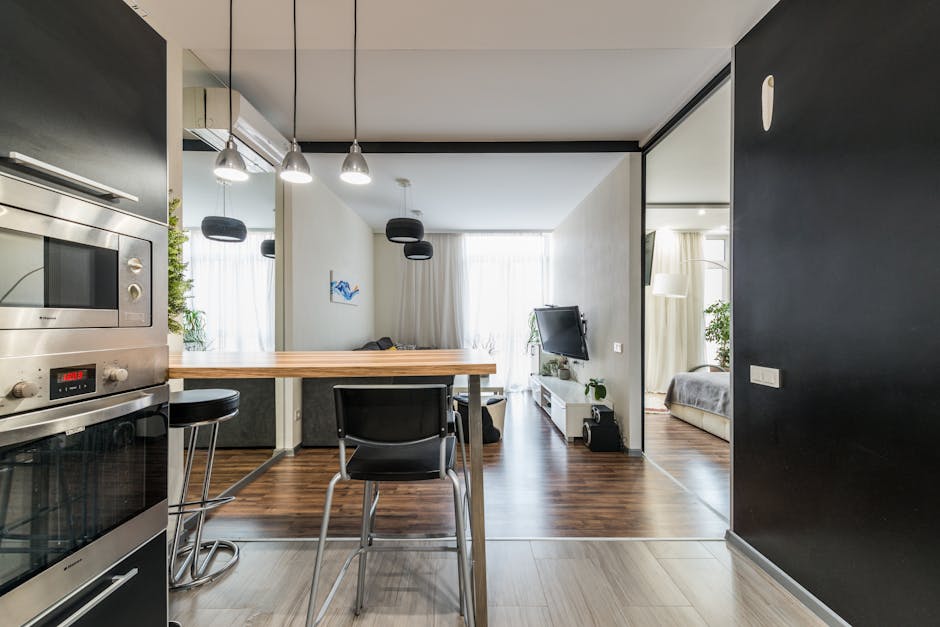
When showing a loft, the goal is to emphasize the open layout while subtly defining zones. Use area rugs and lighting to "anchor" specific areas. If you try to over-partition a loft, you kill the very thing that makes it valuable: the sense of space and light. If you have an industrial-style home, let the architecture breathe. Your goal is to show a buyer that they can have both the flexibility of an open space and the cozy functionality of a home office.
The High-Impact, Low-Cost Fixes List
I keep a running note on my phone of small fixes that photograph better than they cost. As a seller, you shouldn't be dropping thousands on renovations right before you move out. You should be spending hundreds on details that pop in high-resolution photography.
Fix Why it works Cost Impact New Cabinet Hardware Modernizes dated kitchens instantly. Low Switch Plate Covers Yellowed, cracked covers are a massive "neglect" signal. Very Low Layered Lighting Table lamps in dark corners create depth in photos. Moderate Touch-up Paint Fresh paint on baseboards makes a home feel new. LowWhy "Generic" Advice Fails
I despise generic advice because a loft in downtown Chicago requires a vastly different marketing strategy than a craftsman cottage in the suburbs. Neighborhood context matters. If you are selling a luxury loft in a mixed-use neighborhood, your buyer isn't just buying the unit—they are buying the proximity to the coffee shop downstairs and the culture on the street. Your staging should reflect that urbane, lifestyle-oriented buyer.
On Facebook and Instagram, your ad targeting should focus on people who value "urban walkable lifestyle," "work-from-home flexibility," and "design-forward living." Don't waste your ad spend showing a property to someone who wants a half-acre lawn if you're selling a condo with a stunning skyline view. Match the home’s personality to the digital persona of your ideal buyer.

Conclusion: The Strategy of the Showing Experience
A buyer-friendly showing experience is not about white-washing your home until it feels like a hospital. It is about creating a space where a buyer can envision their daily rhythm—from the morning coffee to the last email sent at their laptop, to the dinner party hosted in the living room.
If you focus on optimized lighting showing, decluttered interiors that let the architecture shine, and thoughtful staging that defines purpose without restricting movement, you don’t need to rely on buzzwords about "square footage." You are selling a lifestyle. And in a fast-paced market where buyers decide within milliseconds of seeing your first Instagram photo, that kind of clarity is the only thing that really sells.
Next time you walk through your property, ask yourself: Is it light? Is it clear? And honestly, is there a place for the laptop? If you can answer yes to those, you’re already ahead of 90% of the market.