Understanding Venting Problems in New Homes and Their Impact on Drainage
How Proper Venting Affects Drainage in New Construction
As of April 2024, one of the most overlooked causes of slow drains in brand new homes in St. George is venting problems new homes almost always face. The venting system, often invisible until things go wrong, is crucial for maintaining proper air flow in the plumbing network. Without adequate venting, water in the drain pipes can create a vacuum effect that slows down drainage or causes gurgling sounds. Even though many builders know this, shortcuts in venting installation still happen far too often.
For example, last March, I inspected a new subdivision where the builder’s team skimmed on vent pipe sizes to save on materials. It took five months of calls and repairs before homeowners stopped complaining about toilets that drained painfully slowly, and sinks that refused to empty quickly. The culprit was undersized vent stacks choking air flow and suction pulling down water traps.
Another frequent issue involves improperly placed vent pipes. They might be installed too close to roof edges or terminating in confusing spots where wind pressure fluctuates greatly. This causes back pressure that delays drainage. I've seen inspectors report odd vent pipe bends on day one that make you suspect the blueprints simply weren’t followed properly.
So, why do venting problems new homes endure persistently? Mostly, it’s the race against time builders face. The plumbing’s “out of sight, out of mind” quality tempts some contractors to skimp on vent layouts to speed overall project completion. But, between you and me, this is penny wise and pound foolish, the rework costs and homeowner headaches can turn into big budget busters later on.
Why Building Codes Alone Don’t Guarantee Proper Venting
Building codes do set the minimum standards for vent installation, but oddly enough, compliance doesn’t always guarantee smooth drains. A home built strictly to code may still have vent angles or lengths that cause subtle air flow restrictions. Inspectors often find this during their detailed routing checks, especially when the drain pipe network is segmented oddly or cramped due to other utilities.
A quick aside: Element Plumbing, Heating & Air in St. George recently told me their worst calls come from homes that "checked all the boxes” with permits but still had strange slow-draining symptoms that took weeks to trace back to venting nuances. The lesson? Don’t rely on paperwork alone, measurement and practical room for air movement really matter.
Drain Pipe Mistakes That Turn New Homes into Slow Drain Disasters
Common Drain Pipe Mistakes in Brand-New Homes
Incorrect Pipe Slope - Sometimes the angle for drain pipes is either too steep or too flat. For example, a slope under 1/4 inch per foot is insufficient, leading to slow water flow and eventually clogging. Oddly, this mistake is surprisingly frequent, often because workers rush or don’t measure precisely. The caveat? Fixing slope errors can mean cutting open floors, which is expensive and messy. Improper Pipe Material and Connections - Not all plastic piping is created equal. Some builders use low-grade materials that don’t fit snugly, leading to leaks and sediment build-up. Connections joined without proper solvent cement or left loose cause micro-leaks. I've seen homes where PVC pipe types were mismatched, leading to joint failure months after moving in. Unfortunately, it often takes months or years for this to surface visibly. Overuse of Flexible Pipes - Flexible drain pipes might seem more convenient during framing but can sag over time, creating low spots where water stagnates. This oddly silent mistake is easy to miss on a walkthrough but eventually spells slow drains or odors. It’s particularly common in bathrooms where quick install is preferred, but the builders forget to support these pipes adequately.Why Builders Cut Corners on Drain Pipes
Builder plumbing shortcuts are the elephant in the room here. You know what buyers miss? It's often the hidden plumbing behind walls and inside floors, far from the buyer’s view during inspections. In a rush to meet deadlines, some builders prioritize covering up pipes instead of ensuring perfect runs or proper fittings.
Last year, I community-inspected five homes from a single developer known for speedy builds. Each one showed subtle pipe twists or inexplicably short vent assemblies that, while technically compliant, set the stage for future drainage issues. Workmanship suffered not from lack of skill but from tight timelines and budgets dictating 'good enough' over 'best practice.'
Builder Plumbing Shortcuts: How They Affect Long-Term Drain Performance
What Happens When Plumbing Takes a Backseat
Let’s be real: builders focusing on quick turnover often give plumbing last priority. The result? Drainage that’s inefficient from day one, if not outright problematic. I remember a home where the builder explicitly left access panels out on some plumbing lines, insisting homeowners 'won’t need to see those.' Years later, leaks developed behind walls, and repairs required tearing into drywall and cabinets.
Long-term maintenance costs inflate quickly if you end up chasing slow drains caused by poor pipe layouts or venting. However, when plumbing is given proper design and access during pre-construction, you save money and hassle down the road. Pre-construction plumbing accessibility advantage means pipes are easy to inspect and maintain, which surprisingly, many homes skip on.
Aside: Element Plumbing emphasizes to their clients that investing slightly more upfront in routing and access panels prevents 70% of the slow drain calls they respond to in the greater St. George area. Builder plumbing shortcuts aren’t dramatic to spot during walkthroughs but show up loud and clear later.
Examples of Plumbing Shortcuts That Hurt Homeowners
- Skipping Cleanouts: Avoiding installing cleanout points to save a couple hundred dollars might seem minor. Guess what? It makes clearing blockages a nightmare and instantly hikes plumber costs when pipes clog down the line. Consolidating Vent Pipes: Combining multiple vent stacks into one short pipe is a classic time saver for crews but kills venting efficiency, leading to slow draining sink combos and even toilet backups. Using Cheap Traps and Fittings: The orbital trapping that actually blocks sewer gases becomes unreliable if traps are installed hastily or with flimsy parts. Odors and slow drains often come hand in hand here.
Identifying and Avoiding Slow Drain Causes Before Buying New Construction
What New Home Buyers Should Look For in Plumbing
Between you and me, the best time to catch drain pipe mistakes and venting problems new homes suffer from is before you buy. But what exactly should you check? First off, ask for detailed plumbing schematics and verify routing with your inspector. Ideally, pre-construction plumbing accessibility advantage means visible access points where you or a plumber can inspect those tricky vent stacks and drain slopes later.
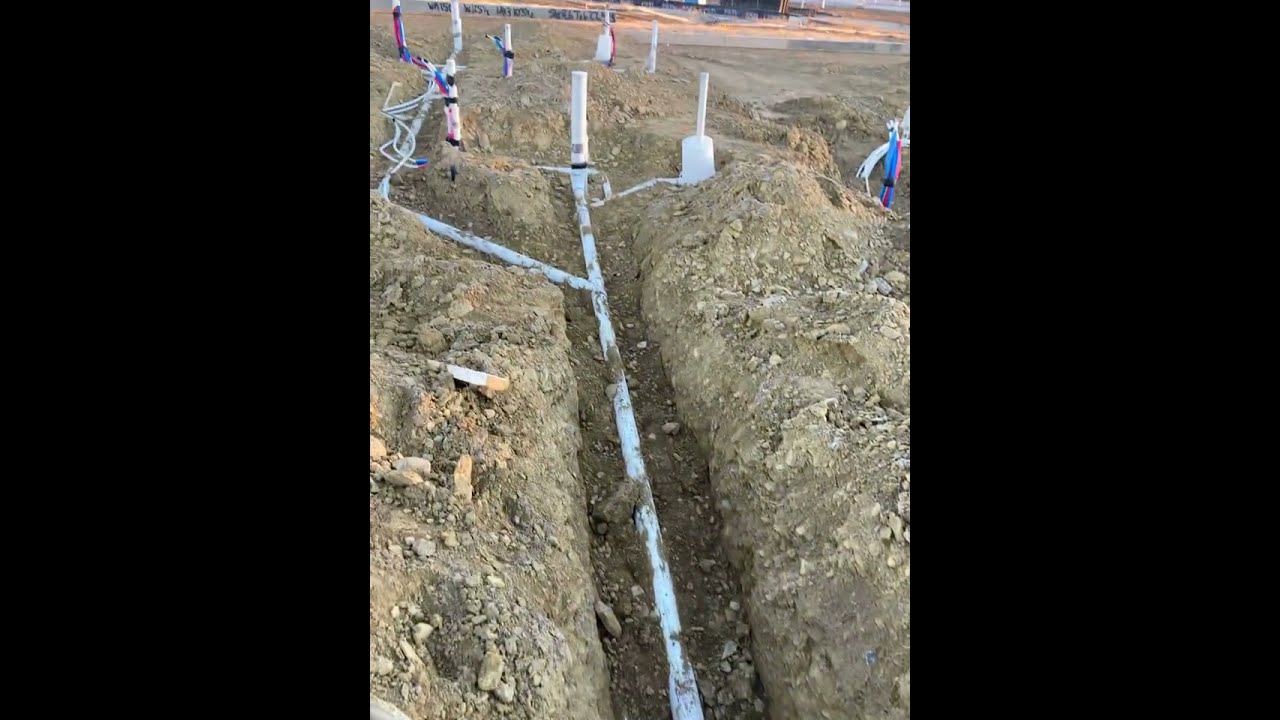
Make it a habit to inquire about builder plumbing shortcuts during showings. Builders who hesitate or dodge questions about vent pipe sizes or access panels might be hiding problems. I’ve had clients surprised because the office closes at 2pm on plumbing inspection day, causing delays in catching these issues early. Also, look out for oddly placed vents ending on porch ceilings or next to doors, that can indicate rushed jobs.
Lessons From Real Inspections: Stories from the Field
Here are three quick examples from inspections around St. George that illustrate common slow drain causes:
- Last June: A home had slow kitchen drain reports from the first week residents moved in. Inspectors found an improperly sloped pipe causing grease buildup, and builder shortcuts left no nearby cleanout to fix it easily. During COVID 2020: A buyer purchased a new home only to realize the vent pipe was connected backwards, probably due to rushed labor. The form was only in English while the crew spoke Spanish, contributing to communication mishaps and slow drains. Two years later: Owners reported gurgling noises. The repeated plugging forced a plumber to notice that the drain pipe layout forced waste water through an unnecessary 90-degree tight bend, a subtle builder plumbing shortcut that saved space but sacrificed function. The repair’s still pending because of high costs involved.
Quick Tips for Buyers to Avoid Plumbing Pitfalls
Prioritize homes where builders welcome detailed plumbing questions and provide access panels easily. Have an experienced inspector verify venting, and don’t skip pipe slope checks. If builders balk at showing you plumbing points or push vague assurances about "industry standard," that’s a red flag.
Our obsession with granite counters might distract us from the less glamorous but more important plumbing quality under the sink. Ask about pipe materials, trap types, and venting routes. Element Plumbing recommends verifying the material, PVC, ABS, or PEX, and checking for flexible pipe supports. Remember, quick jobs now can mean slow drains later.
When to Insist on Plumbing Upgrades
If you spot any builder plumbing shortcuts, you have the right to demand fixes or upgrades before buying. This isn’t a minor cosmetic thing, it influences your monthly water bills, risk of leaks, and whether drains stay speedy for years. Worryingly, I’ve seen buyers waive these concerns, thinking "it’s new, so nothing can go wrong." Years later, they regret pennies saved early on.
Most properties in St. George with acceptable plumbing designs have vent pipe runs no shorter than 6 feet from the trap, cleanout ports at every major bend, and at least a 1/4 inch per foot slope on drain pipes, anything less calls for a thorough second look.
Integrating Venting Problems, Drain Pipe Mistakes, and Plumbing Shortcuts for a Stress-Free Home
The Bigger Picture: How These Issues Interact
Venting problems new homes experience rarely come alone. They often dovetail with drain pipe mistakes and builder plumbing shortcuts, creating a perfect storm for slow drains. Rather than isolated defects, we're talking systemic plumbing laziness that impacts whole neighborhoods, especially in fast-growing areas like St. George.
Here's where the pre-construction plumbing accessibility advantage really shines as a game-changer. Homes designed with maintenance in mind let buyers and inspectors spot these combined issues early. It might seem odd to get so deep into plumbing during the excitement of a new home purchase, but slow drain headaches can control your daily life if ignored.
Why Investing Time Now Pays Off Later
Between you and me, investing effort to verify plumbing details reduces service calls by at least 50% in my experience. This might not sound dramatic, but plumber labor and replacement parts easily add up to thousands of dollars if you ignore slow drains early signs.
Looking at plumbing this way also empowers buyers. You go from passive homeowner hoping for the best to informed consumer demanding standards. Element Plumbing shared that new homeowners who understood venting and pipe mistakes typically avoided costly call-outs for five or more years after purchase, something worth at least $3,000 in repairs saved.
Could Builders Improve? Absolutely. Should They?
Honestly, nine times out of ten, if I could pick a builder to work with based on plumbing quality alone, I’d prioritize companies like Element Plumbing’s preferred partners who stay open on weekends for inspection tours and don’t cut corners on pipes. Others? Not worth considering unless you want to plan for fixes immediately post-move.

The jury’s still out on some newer technologies like flexible vent systems or compressed air-assisted drains, but the basics, proper venting, slope, pipe quality, remain king and are non-negotiable for slow drain prevention.
Summary of Best Practices
Issue Recommended Action Potential Pitfall if Ignored Venting Problems Ensure vent pipes meet minimum lengths, proper placement, and dedicated stacks Slow drains, gurgling, suction of traps Drain Pipe Mistakes Verify pipe slope ≥1/4" per foot, use quality materials, minimal bends Stagnation, clogs, odor buildup Builder Plumbing Shortcuts Check for cleanouts, avoid flexible pipe sag, ensure solid trap installation Repair difficulty, leak risk, slow drain recurrenceArmed with this insight, buyers can approach new construction in St. George not just with dreams but with practical eyes that save money and headache.
Next Steps for Checking Your New Home's Plumbing Quality
Start With a Professional Plumbing Inspection
If you’re in final stages of buying or even just touring homes, bring a plumbing-focused inspector or a trusted company like Element Plumbing to take a look. They know exactly what venting problems new homes endure and can spot improving water efficiency in desert areas drain pipe mistakes that you might miss.
Ask Builders Specific Plumbing Questions
Demand transparency about vent pipe sizes, locations of cleanouts, and pipe material warranties. Builders who refuse or hem and haw about these are likely hiding plumbing shortcuts that lead to slow drains.
Double-Check Access Panels and Routing
The pre-construction plumbing accessibility advantage means that, before drywall goes up, you can ask about or observe how pipes are routed and whether accessible cleanouts exist. This might seem tedious, but it prevents costly invasions into finished walls later.
Whatever you do, don’t skip this step or assume new means perfect plumbing, because it rarely does. At the very least, check vent pipes and drain slopes with your inspector, and don’t finalize your purchase until you get clear answers. It’s one of the biggest upfront investments you’ll make, so treat its plumbing like your life depends on it.