In today’s rapidly evolving commercial property landscape, a new tenant class is reshaping the way landlords and advisors approach leasing agreements and building specifications. These tenants, often high-tech broadcasters, data-heavy operators, or specialist studios, come with an unforgiving tolerance for downtime. This phrase might sound like corporate jargon, but in practice, it drives a multitude of technical and contractual requirements that every landlord and advisor must understand.
Companies like OfficeFinder, MrQ, and regulators such as the Gambling Commission have indirectly contributed to this shift by setting high operational standards or operating within strict regulatory frameworks demanding near-perfect uptime. This blog breaks down what “unforgiving tolerance for downtime” means in practice, focusing on the practical, technical, and contractual implications.
The New Tenant Class Reshaping Commercial Leasing
Traditionally, commercial leases for office or retail spaces prioritized https://smoothdecorator.com/are-old-print-works-good-candidates-for-studio-conversions/ flexibility and cost efficiency. Alterations were often optional, electrical supply was adequate if it met basic office needs, and minor downtime during maintenance windows was simply accepted. However, tenants requiring continuous operation—such as broadcast studios, live gaming operations, or technical support centers—demand a fundamentally different approach.
- Fixed studio installations: These tenants often bring in complex, fixed infrastructure that cannot be easily moved or modified without prohibitive cost. High fit-out costs: Significant capital goes into upgrading electrical systems, cooling, and structural elements like clear height and floor loading. Contractual rigidity: Template leases that treat alterations as optional won’t work when a tenant’s entire operation depends on seamless facility performance.
This shift is particularly evident when advising tenants like MrQ, an online gaming company with stringent uptime needs regulated by the Gambling Commission, or tech-heavy operations discovered through platforms like OfficeFinder.
Why Clear Height and Floor Loading Are Non-Negotiables
Any advisor worth their salt will always check structural parameters early in the process. For tenants with unforgiving downtime requirements, clear height and floor loading limits are among the top “deal killers.”
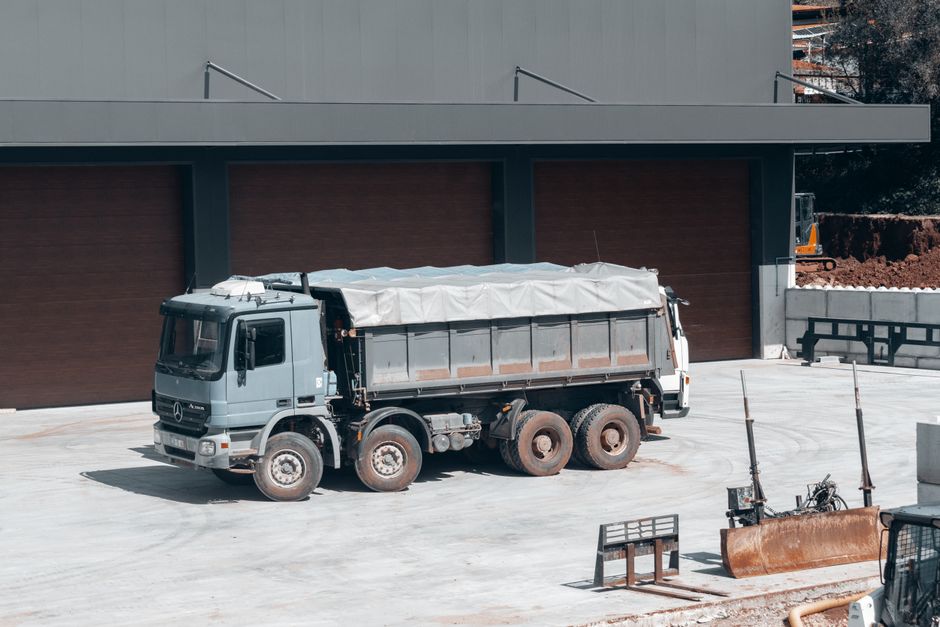
Clear Height
Studio equipment, rack servers, and cooling infrastructure often require significant vertical space. Insufficient clear height can block airflow or prevent the installation of essential machinery, limiting capacity or forcing expensive workarounds. When tenants demand uninterrupted operations, any compromise here can spell disaster.
Floor Loading
High-density equipment racks, power distribution units, and backup batteries add substantial weight. Floors must support these loads safely and without excessive vibration, as instability can lead to equipment failures and costly downtime.
Advisors who fail to get early floor loading data risk late surprises that can kill deals or lead to expensive tenant improvements. These requirements must be spelled out explicitly in lease documentation and building specs.
Electrical Capacity: The Heart of Uninterrupted Operations
Reliable power supply is the core of “unforgiving tolerance for downtime.” Understanding the existing electrical infrastructure and its capacity is critical. This includes getting hold of the electrical single-line diagram during due diligence—something every seasoned advisor insists on upfront.
Redundant Power: UPS and Generator Systems
Ensuring uninterrupted power involves multiple layers:
- Uninterruptible Power Supply (UPS): These devices provide instant backup power during transient failures or brief interruptions, ensuring sensitive equipment doesn’t lose power even for milliseconds. Generator backup: Generators step in for longer outages, providing sustained power until the primary grid is restored.
For tenants like MrQ, who operate under strict oversight from the Gambling Commission where even seconds without power may lead to regulatory issues, both UPS and generator systems are mandatory elements of https://dlf-ne.org/why-did-this-tenant-class-basically-not-exist-in-2015/ the fit-out.
Landlords and tenants must coordinate on maintenance windows and incident response plans. Periodic testing of these systems requires scheduled downtime that must be tightly controlled to prevent operational disruption.
Cooling and Environmental Controls
Power-hungry technical equipment generates considerable heat. Adequate and redundant cooling systems are essential to prevent failures. Cooling infrastructure is often overlooked early on, but failed cooling leads to equipment overheating and operational downtime.
For offices or studios sourced through platforms like OfficeFinder, confirming cooling redundancy and maintenance procedures must be part of technical due diligence.
Maintenance Windows and Incident Response
Even with redundant systems, completely avoiding downtime during maintenance activities requires logistical precision and trust between landlord and tenant.

Maintenance Windows
Maintenance on UPS, generators, and critical infrastructure must be scheduled during agreed windows, preferably at low business-impact times. Clear communication is essential to ensure tenants are ready and alternative systems are ready to take over if unexpected failures occur.
Incident Response
When unplanned outages or failures occur, a rapid, coordinated response is mandatory. Landlords and their contractors must be responsive and proactive, with clear escalation paths to meet the tenant’s strict uptime requirements.
Conclusion: Leases and Buildings Must Reflect the Reality
“Unforgiving tolerance for downtime” isn’t just a buzz phrase—it’s a practical reality that influences everything from building specifications to lease drafting.
- Fixed studio installations require early and clear agreements on alterations and upfront capex. Non-negotiable clear height and floor loading can make or break deals. Redundant power systems (UPS and generators) and backup cooling must be designed, tested, and maintained rigorously. Maintenance windows and incident responses have to be methodically planned and contractualized.
Advisors, landlords, and tenants ignoring these realities risk falling behind a market increasingly dominated by operations that cannot tolerate downtime under any circumstances.
For those working with companies like MrQ or dealing with listings on platforms such as OfficeFinder, understanding and demanding these parameters upfront — including early access to electrical single-line diagrams and structural specs — is not optional. It’s essential.