I’ve been doing this for 12 years in North Texas. I’ve sat at kitchen tables across the DFW metroplex, watching contracts live or die. If you’ve spent any time on platforms like ActiveRain, you know that real estate pros talk about one thing more than any other when it comes to buyer panic: the roof. In our neck of the woods, it’s not just a shelter; it’s a massive, expensive, and fragile asset.
Whenever a client asks me if they can skip a pre-listing inspection, I always hit them with my standard question: "What will the inspector write up?" If you haven't looked at your roof recently, neither have I, and that makes me nervous. Because in Texas, if the inspector sees even a suggestion of damage, the deal often hits a wall. Here is You can find out more why the roof is the ultimate deal-killer in our storm-prone areas.

The "Big Three" Deal-Killers: Why the Roof is #1
In Texas, every agent has a "Big Three" list that keeps them up at night. These are the items that consistently trigger price drops, credit requests, or outright cancellations: Roof, HVAC, and Foundation. The roof takes the top spot because it is the most visible sign of neglect or vulnerability to severe weather.
When a buyer walks up to your house, they aren't looking at your staging or your quartz countertops yet. They are looking at the shingles. If they see curling, missing granules, or mismatched patches, their mind immediately jumps to the cost of replacement. In our market, a full roof replacement is rarely cheap, and that creates immediate friction at the negotiation table.
The Inspection-Driven Negotiation
Think of the home inspection as a negotiation trigger. An inspector’s report is not just a list of items; it’s a roadmap for the buyer to ask for money. If your roof is past its prime, the inspector will inevitably flag it. Even if the roof isn't "leaking," they will document the "remaining life expectancy."
Buyers today are incredibly savvy—or at least, they are well-advised. They know that a roof with 5–8 years of life left is a ticking time bomb. They will use that report to demand a credit for a full replacement, regardless of whether the roof is still doing its job today. As an agent, I see deals fall apart because the seller is shocked by this demand. Don't be that seller.
Insurance Underwriting: Your Roof is a Liability
It’s not just about what the buyer thinks; it’s about what the insurance company dictates. If you think the "age of the roof" doesn't matter, talk to an insurance underwriter. We are seeing a massive shift in how insurance premiums are calculated in Texas.
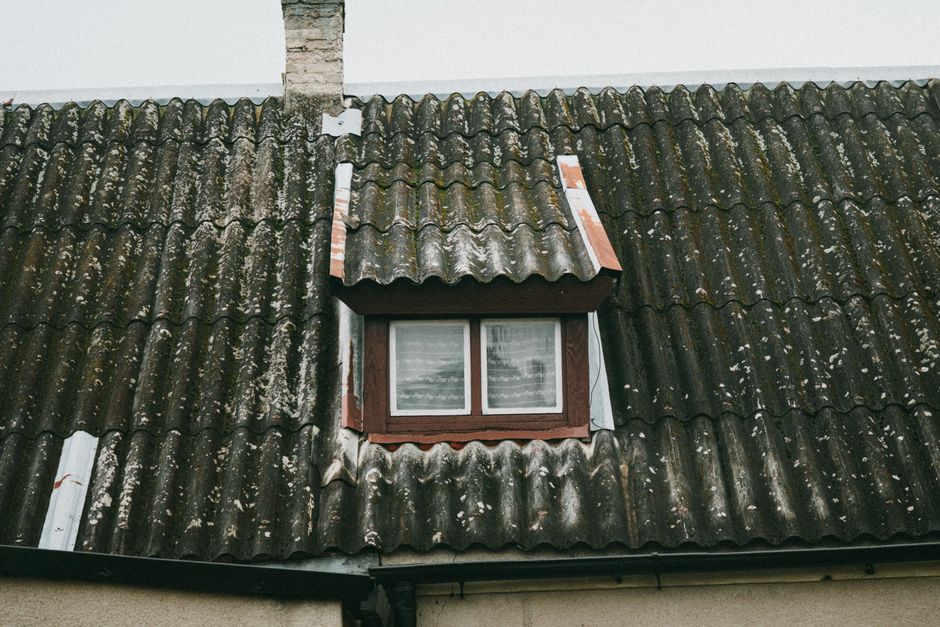
Most carriers now have very strict guidelines regarding roof age. If your roof is over 10 or 15 years old, you might be looking at:
- Denial of coverage for new buyers. Sky-high premiums that make the house unaffordable. "Actual Cash Value" policies that offer almost no protection if a storm hits.
If your buyer can't get affordable insurance because of your roof, your house effectively becomes "unfinanceable" for many people. That is a deal-killer, plain and simple.
Texas Climate: The Perfect Storm of Destruction
We don't just deal with regular rain here. We deal with North Texas heat, microbursts, and, of course, the dreaded hail. The hail risk in this part of the country is legendary. Our roofs deal with intense thermal expansion and contraction, which breaks down the integrity of the shingles over time.
When you reference guidelines from the Federal Emergency Management Agency (FEMA) regarding disaster preparedness, you see a focus on roofing materials that can withstand high winds and impact. If your roof was installed years ago with cheap materials, it’s not just a financial liability—it’s a safety issue. Buyers recognize this severe weather vulnerability, roofing company McKinney Texas and they aren't willing to gamble their equity on a roof that isn't up to the task.
Comparison: New vs. Old Roof Perception
Feature Old/Neglected Roof New/Inspected Roof Buyer Sentiment Anxiety, "How much will this cost me?" Confidence, "Turn-key ready." Insurance High premiums, risk of denial. Competitive rates, standard coverage. Negotiation Usually results in credits or price cuts. Minimal friction, stronger offer price. Inspection Report List of repairs/replacement needed. Clean bill of health.How to Take Control: The Pre-Listing Playbook
Stop waiting for the buyer's inspector to tell you what's wrong. By then, you have zero leverage. The best sellers are the ones who get ahead of the curve. Before you even list, bring in a professional like Fireman’s Roofing Texas to conduct a thorough evaluation.
Why do I suggest this? Because vague phrases like "recently updated" mean absolutely nothing to a home inspector—or me. I’ve seen homeowners get sued because they claimed a roof was "updated" when they just patched a leak. If you have documentation, photos, and a professional assessment from a reputable local company, you change the narrative from "negotiation tool" to "value-add."
The Power of Documentation
If you’ve done work on your roof, keep the records. You want to be able to present:
The date of installation or major repair. The type of materials used (especially if they are impact-resistant). A copy of the professional inspection report from a company like Fireman’s Roofing Texas. Transferable warranties (if applicable).
Don't Gamble with Your Closing
I see it every spring. A seller ignores the warning signs, assumes the roof is "fine" because it hasn't leaked, and puts the home on the market. Then the first storm hits, or the first inspector arrives, and the whole deal goes sideways. Don't be that person. Your roof is the primary defense against the Texas climate; treat it like the high-stakes asset it is.
If you are planning to list your home, ask yourself: "What will the inspector write up?" If you don't like the answer, fix it before the buyer even has a chance to ask. It’s the smartest investment you can make to ensure your closing goes through without a hitch.
Looking for more insight into navigating the Texas market? Stick around, keep your inspections clean, and don't let a roof issue sink your biggest investment. Always verify your contractors, keep your receipts, and stay prepared for the next storm season.