If your McKinney property recently faced the April 2026 North Texas storm outbreak, you’re likely scrutinizing your insurance coverage and wondering why some roof claims seem to stall—never quite hitting that deductible threshold to https://bizzmarkblog.com/how-much-is-a-2-wind-and-hail-deductible-on-a-450000-house/ trigger a payout. This is a common experience, and it often boils down to a few key factors in how North Texas policies handle storm damage, especially with the prevalent 2% to 3% wind-and-hail deductibles.
Before you start dialing your insurance company or signing any paperwork, make sure you have your Declarations page and Renewal packet in hand. These documents hold the vital details to understand what your policy actually covers and under what conditions your claim can clear your deductible hurdle.
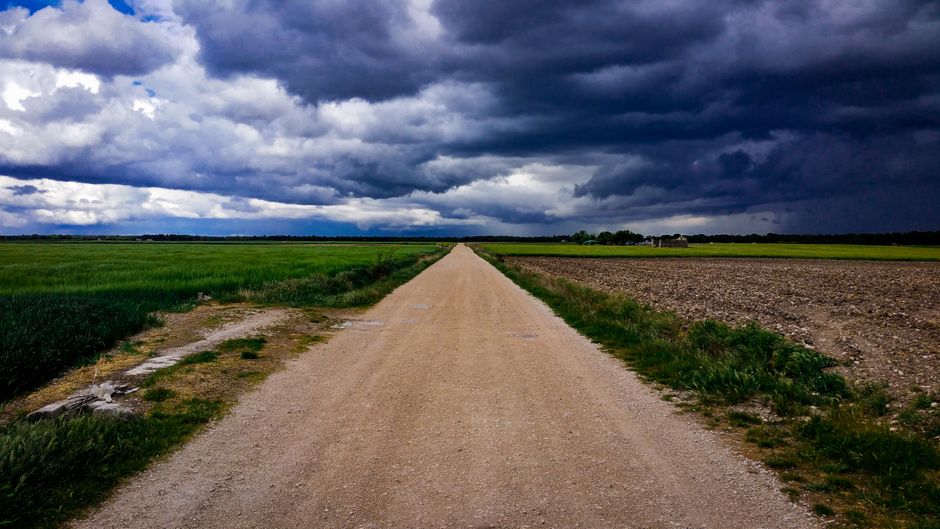
Context: April 2026 Storm Outbreak in North Texas
April 2026 brought a fierce wind-and-hail event sweeping across North Texas, including McKinney. Storms like these frequently cause damage ranging from minor cosmetic dings to severe structural harm. Yet, amid insurance claims filed post-storm, many homeowners experienced what I call the “2% deductible barrier”— claims that don’t quite hit the insurance deductible figure needed for a payout, especially on roofs.
Understanding why this happens requires knowing how deductibles are calculated, the type of deductions in play, and the age and condition of your roof.
Understanding the 2% to 3% Wind-and-Hail Deductibles
In Texas, insurance companies commonly use percentage deductibles for wind-and-hail coverage rather than flat dollar amounts. This means your deductible is a percentage of your total insured value (typically your home’s insured structure value, as shown on your declarations page), not just a simple fee like $1,000.
Here’s a quick back-of-the-napkin example to put this into perspective:
Home Insured Value Deductible % Deductible Amount $450,000 2% $9,000 (i.e., $450,000 x 0.02) $450,000 3% $13,500Because deductibles like $9,000 or $13,500 are significant sums, any roof damage under that dollar amount will be “storm damage under deductible”—meaning the insurance will pay nothing to fix the damage.
The “Small Hail Claim Payout Zero” Phenomenon
When hailstones only cause minor cosmetic damage or small granular loss on roof shingles, the estimated repair costs usually fall far below the deductible’s dollar figure. In these cases, the claim gets denied or results in zero payout, a common frustration sometimes referred to as the small hail claim payout zero scenario.

Replacement Cost vs. Actual Cash Value (ACV) on Older Roofs
Another crucial factor is the method of valuation your insurance uses for roofs, which depends on the age of your roof:
- Replacement Cost (RCV): Pays to replace your damaged roof with new materials without factoring for depreciation. Actual Cash Value (ACV): Pays replacement cost minus depreciation, reflecting the aging and wear of your roof.
In McKinney, roofs typically move from RCV to ACV for insurance claims somewhere after 10 to 15 years. If your roof is older than this, the insurer’s payout estimate will be lower because depreciation is subtracted from the claim value.
This depreciation makes it even harder for your claim to clear the deductible barrier because estimated repair costs shrink. Here’s a simplified example:
A 12-year-old roof’s replacement cost for hail damage is $8,000. Depreciation of 40% applied to the roof reduces the claim to $4,800 (ACV). If your deductible is $9,000, your claim will not clear it—even though the damage is significant.Cosmetic Damage and Metal Roof Pitfalls
It is also important to know what types of damage insurance policies cover. Many Texas policies exclude cosmetic hail damage from coverage—especially on metal roofs.
Here’s why this matters:
- Cosmetic Damage Exclusions: Cosmetic damage like small dents or paint blemishes that don’t affect roof performance are usually denied for payout, regardless of deductible. Metal Roofs: Hail impact on metal roofs often causes dents without structural issues, so many insurers label these as cosmetic-only damage. This can lead to zero payout claims even when the homeowner perceives damage.
Homeowners with metal roofs should pull their declarations https://dlf-ne.org/how-do-i-find-a-roofer-who-wont-vanish-after-the-check-clears/ page and search for specific words like “cosmetic damage exclusion” or consult their renewal packet for details. Knowing these fine points before filing a claim can save time and frustration.
Common Contractor Red Flags to Watch For
Because many claims do not clear the deductible and homeowners want to repair anyway, beware of contractors pushing for same-day signatures on estimates or contracts. Here’s a short list of red flags to spot:
- High-pressure tactics urging you to sign immediately after the storm. Estimates without thorough roof inspections or missing itemized damage descriptions. Contractors who dismiss insurance deductible questions or confuse “all other perils deductible” with wind-and-hail deductible. Promises of “full coverage” repairs without showing you the insurance policy or renewal packet.
Next Steps for McKinney Homeowners
So, what can you do if you suspect your roof claim will not clear the deductible?
Pull your Declarations Page and Renewal Packet: Understand your deductible amounts and coverage exclusions clearly. Get a Professional Roof Inspection: Hire an independent roofing inspector to assess damage, emphasizing repair vs replacement costs. Consult Your Insurance Adjuster: Share your findings and discuss depreciation and deductible impacts. Evaluate Cosmetic Damage: Know that cosmetic-only damage typically won’t trigger payouts. Compare Estimates Carefully: Avoid rushing with contractors and review all documentation before signing.Summary
In the aftermath of the April 2026 North Texas storms, many McKinney homeowners learned firsthand why some roof claims never clear the deductible hurdle. The 2% to 3% wind-and-hail deductibles often translate to thousands of dollars—far above the cost of minor hail damage repairs. Depreciation on older roofs and cosmetic damage exclusions, especially on metal roofs, further limit claim payouts.
Before making any calls or signing contracts, always pull your declarations page and renewal packet to know exactly where you stand. Remember: not every damage is covered, and not every claim crosses the deductible line.
If you keep these insights in mind, you’ll be better equipped to navigate your claim, avoid contractor red flags, and make confident decisions for your home’s next steps.