Securing the right studio space in the commercial property market is no easy feat. Over the past decade, a new tenant class—comprising production companies, broadcast teams, and technical operators—has reshaped the leasing landscape. These tenants come with exacting demands that traditional office or retail landlords often struggle to accommodate. The result? Promising deals that look set to close only to collapse at the final hurdle.
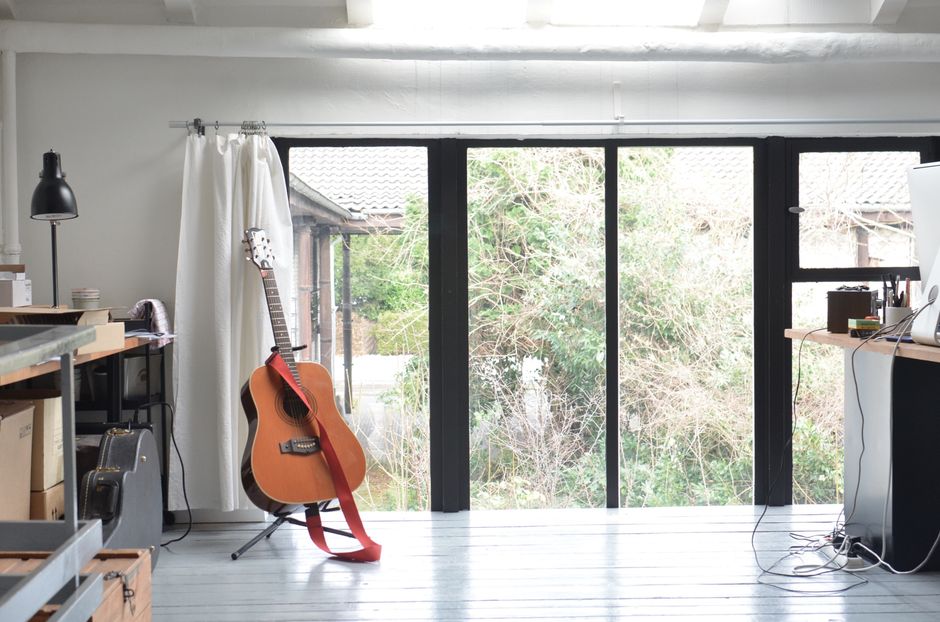
From working alongside both landlords and specialist occupiers, including tech-savvy companies like OfficeFinder and regulatory bodies such as the Gambling secondary office building for studio Commission, I’ve seen patterns emerge. Studios face unique challenges related to fixed installations, high fit-out costs, non-negotiable building specs, and stringent electrical requirements. This post dives into why studio space deals frequently fall apart late-stage—and what landlords, brokers, and tenants need to know to avoid costly pitfalls.
The Rise of a New Tenant Class Reshaping Commercial Leasing
It’s no secret that digital content production, broadcasting, gaming, and streaming have exploded in recent years. As exemplified by companies such as MrQ, a fast-growing online gaming operator regulated by the Gambling Commission, there is a surge in businesses seeking highly specialized studio environments. These tenants are different:
- Fixed Installations: Studios often have permanent, costly equipment like soundproof booths, lighting rigs, and server racks. High Power Consumption: Demand for electrical capacity far exceeds typical office or retail space. Strict Environmental Controls: Cooling systems, Uninterruptible Power Supply (UPS), and generator backups are vital for uptime and equipment reliability. Structural Challenges: High floor loading and clear height requirements govern whether a building can even host technical studios.
Traditional commercial leasing frameworks are typically ill-equipped to manage these demands, leading to tension, delays, and, too often, deal collapses.
Fixed Studio Installations and High Fit-Out Costs Are Deal Killers
Building a studio is expensive and time-consuming. Unlike a typical office fit-out, studios require substantial alterations involving acoustics, electrical infrastructure, and data connectivity. These alterations are not optional add-ons—they're mission-critical.
However, many landlords offer template leases that downplay or outright refuse tenant alterations, or fail to clarify the landlord’s responsibilities. When these leases surface late in negotiations, it sparks frustration. Tenants fret over who bears the risk and cost if a generator backup or UPS system fails, or if modifications damage the base building.
These costs and risks mean tenants often conduct extensive due diligence upfront, such as:
- Requesting the electrical single-line diagram early to analyze capacity and redundancy. Surveying floor loading limits and clear height to ensure fixed equipment fits. Measuring ambient noise levels to avoid noise floor problems that undermine sound-sensitive production.
If any of these critical data are unavailable or hidden by the landlord, the deal hits a impasse.
Lease Alterations Refused: A Non-Starter
Tenants often find that leases are drafted with little flexibility on alterations—leaving them unable to install UPS units or cooling systems. This rigid stance is a deal breaker for high-demand studios, which need bespoke infrastructure for uninterrupted operation.
In practice, this results in last-minute stalemates. Landlords fear the expense and complexity of alterations, while tenants can’t proceed without them. No compromise usually means no deal.
Clear Height and Floor Loading: Non-Negotiables for Studios
Sound stages, broadcast floors, and technical studios come with non-negotiable physical requirements, especially:

- Clear Height: Studios need significant vertical clearance for lighting rigs, scaffolding, and ventilation. Buildings with insufficient clear height are immediately off the table. Floor Loading Capacity: Heavy equipment like server racks, generators, and acoustic booths require floors designed to bear exceptional weight.
Many landlords overlook these specs until after the lease heads toward signature. Discovering that the floor loading is too low or ceiling height too shallow usually kills deals.
Electrical Capacity Shortfall: The Biggest Hidden Snag
For studios, electrical infrastructure is a make-or-break factor. Many landlords underestimate tenant power needs or provide incomplete or outdated electrical diagrams.
Key issues include:
- Insufficient Utility Capacity: Many buildings aren’t wired to support high-density power loads required for lighting, servers, rigs, and climate control. Lengthy Utility Upgrade Lead Times: Even if upgrades are possible, power company timelines can stretch months—fatal for tenants with looming production schedules. Lack of Backup Systems: Without adequate UPS and generator backup, tenant operations risk unplanned downtime, which is unacceptable for live broadcasting or gaming operations.
As an advisor, I Push for obtaining the full electrical single-line diagram early on. It’s a blunt but invaluable tool to identify potential electrical capacity shortfalls before deep investment.
Uninterruptible Power Supply (UPS) and Generator Backup: A Must-Have
Studios can’t tolerate even momentary power interruptions. Reliable UPS systems bridge brief outages, while generator backups provide longer-term power during grid failures.
Unfortunately, not all buildings have these systems in place, and retrofitting them requires considerable capital and consent. When landlords refuse these essential alterations or underestimate their cost and complexity, deals collapse.
Noise Floor Problems: Invisible but Critical
Production studios demand a quiet environment. Ambient noise adversely affects recording quality, live broadcasts, and client content.
Problems arise when:
- Buildings have noisy neighbors like busy loading docks, HVAC systems, or traffic arteries. Structural soundproofing is inadequate or missing. Landlords dismiss noise concerns as tenant whims rather than critical deal parameters.
Tenants often conduct onsite noise surveys early. Discovering a “high noise floor” too late can scuttle a deal—even if all other parameters check out.
Case in Point: Lessons from OfficeFinder, MrQ, and the Gambling Commission
OfficeFinder, a leading commercial property marketplace, has reported increasing studio space queries but also escalating deal cancellations due to unforeseen technical and lease-related hurdles.
MrQ, operating within a tightly regulated sector overseen by the Gambling Commission, needed a bespoke studio compliant with technical and compliance standards. The company ran into unexpected hold-ups due to:
- Electrical capacity shortfalls delaying power upgrades. Refused lease alterations that blocked necessary generator installation. Noise floor issues arising from an adjacent mechanical plant.
This scenario underscores that beyond location and rent, practical building specs and lease flexibility drive successful studio leasing.
Conclusion: Avoiding Last-Minute Deal Breakers
Studio space deals fall apart at the last minute because they expose gaps in building infrastructure, inflexible leasing frameworks, and overlooked environmental factors. Landlords and tenants alike must adapt:
Early Data Gathering: Request the electrical single-line diagram, floor loading certificates, and noise surveys before deep negotiations. Lease Transparency: Draft leases that acknowledge the necessity of alterations like UPS and generator installations. Technical Preparedness: Understand clear height and power specifications upfront to avoid surprises. Plan for Lead Times: Account for utility upgrade schedules in project timelines.By acknowledging these deal killers early, landlords can better position their buildings, and tenants can focus resources on viable studio spaces—resulting in fewer last-minute failures and happier deals.
If you’re navigating studio space leasing complexities, remember: it’s not just about location or price. It’s about infrastructure, lease flexibility, and detailed due diligence. Don’t wait until the eleventh hour to check power capacity or sound levels.