If you have been reading the latest analysis in BUILD Magazine, you know that the industrial sector is currently obsessed with one thing: speed. Between the massive nearshoring surge in Northern Mexico and the supply chain pivots we are seeing from major players like Ford and the logistics backbone provided by Union Pacific, the demand for high-bay, heavy-load facilities has never been higher. When a client tells me they need a "fast turnaround," I immediately stop them. There is no such thing as "fast" in construction—there is only "well-planned" versus "unplanned."
For high-bay storage and heavy industrial use, the debate often settles on steel versus concrete. If you are looking for efficiency, durability, and a predictable schedule, a rigid frame steel building is almost always the smarter move. Let’s break down why these structures are engineered for industrial loads and why they remain the preferred choice for sophisticated developers.
The Structural Advantage: Rigid Frame Steel
When you are designing for high-bay storage, you are fighting two battles: gravity and floor space. A rigid frame steel building allows for a "clear span" design, meaning you do not have interior columns interrupting your racking aisles or heavy machinery https://www.build-review.com/how-nearshoring-is-driving-demand-for-prefabricated-steel-warehouses-in-mexico/ movement.
A column every 30 feet might work for a small workshop, but it is a nightmare for an automated logistics centre. Using high-strength structural steel, we can achieve clear spans of 100 to 150 feet without breaking a sweat. This is crucial for high bay storage design, where every square foot of floor space needs to accommodate forklifts, AGVs (Automated Guided Vehicles), or heavy manufacturing cells.

The Reality of Project Timelines: Prefab Steel vs. Tilt-Up Concrete
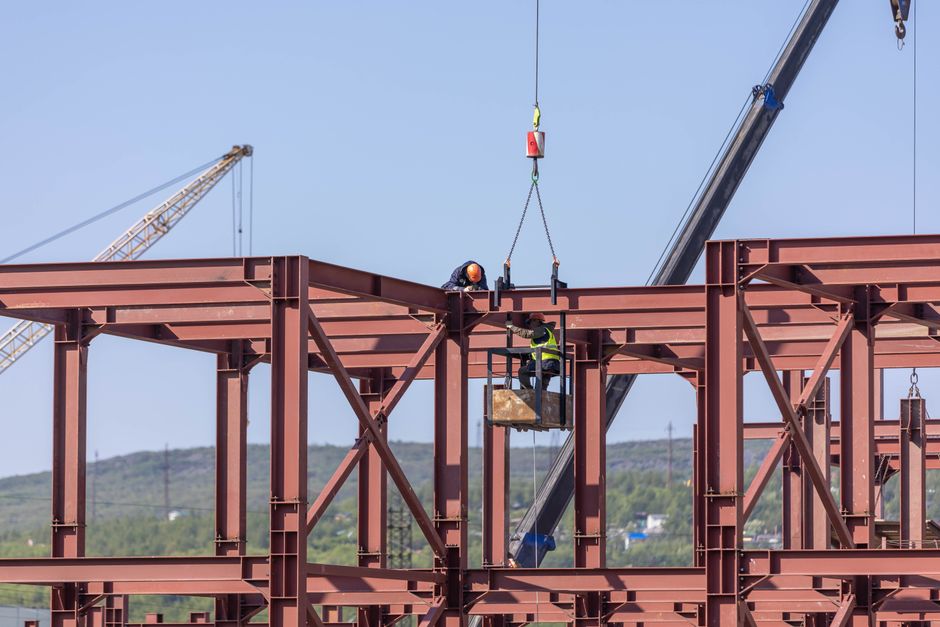
I often hear developers brag about "fast-track" concrete tilt-up projects. But once you factor in the curing time for panels, the potential for weather delays, and the complexity of on-site forming, the schedule starts to bloat. When you use prefabricated steel, you are essentially building a giant meccano set. While the foundations are being poured on-site, the structural members are being fabricated in a controlled facility. This is the difference between a 32-week project and a 22-week project.
Typical Project Breakdown (High-Bay Industrial Facility)
Phase Task Duration Phase 1 Site prep, grading, and foundation 6–8 Weeks Phase 2 Steel fabrication (off-site) 8–10 Weeks Phase 3 Steel erection and roof decking 4–6 Weeks Phase 4 MEP fit-out and interior slab finishing 6–8 WeeksNote that MEP (Mechanical, Electrical, and Plumbing) fit-out is where most projects go to die. Do not let your contractor suggest "fast-tracking" by skipping early MEP coordination. If you don't have your conduits and fire suppression lines planned before the steel goes up, you will be paying for change orders until you go bankrupt.
Engineering for the Sonora Region: NMX Standards
With the rise of nearshoring, I am seeing more developers rushing into the Sonora region. You cannot simply take a blue-print designed for the Midwest and drop it into Northern Mexico. You have to deal with specific seismic activity and extreme wind loads defined by the NMX (Normas Mexicanas) standards.
When working cross-border, the biggest hurdle is communication. You need to use robust project management tools to ensure that your bilingual project documentation is perfectly synced. If your structural engineer in the US is referencing American code and your local contractor in Sonora is looking at NMX specs, you will have a disaster on your hands. Steel is resilient, but only if it is engineered to the specific wind and seismic loads of the location. Never assume "standard steel" will suffice in a seismic zone.
Industrial Specs That Actually Matter
Stop focusing on the façade and start focusing on the specs that keep an industrial facility operational for 30 years. When I audit a facility proposal, these are the items I look for:
- Clear Eave Height: Do not just look at the peak height. Your storage capacity is dictated by your eave height. Aim for 32’ to 40’ for modern high-bay requirements. Crane Load Capacity: If you are manufacturing, ensure the rigid frame is engineered to handle overhead bridge cranes. Retrofitting crane steel into an existing building is expensive; doing it during the initial design is marginal. Floor Loading: High-bay storage needs extreme PSI ratings on the slab. Don't forget to account for the heavy concentrated loads under the racking legs. Bay Spacing: Ensure that your longitudinal bay spacing aligns with your racking depth to prevent dead zones.
The Importance of Professional Coordination
If you are coordinating a build-to-suit project, you are the conductor of an orchestra. If you aren't using professional project management tools to track RFIs (Requests for Information) and submittals, you will lose weeks of time on simple miscommunications.
Because I have spent years on both sides of the fence—working as a developer and as a writer—I can tell you that the most successful projects are the ones where the steel supplier is involved in the pre-construction meeting. They aren't just selling you beams; they are selling you the skeleton of your business. If the skeleton is designed correctly, the MEP, the fire suppression, and the racking will all fit like a glove.
Final Thoughts
Whether you are supporting the supply chain needs of a giant like Ford or building speculative industrial space near a Union Pacific rail head, remember that steel is not a commodity—it is a long-term asset. When you choose a rigid frame design, you aren't just picking a building method; you are choosing the ability to scale, reconfigure, and last. Ignore the buzzwords, look at the NMX engineering specs, check your MEP coordination timelines, and keep your documentation bilingual. That is how you get a building finished on time.